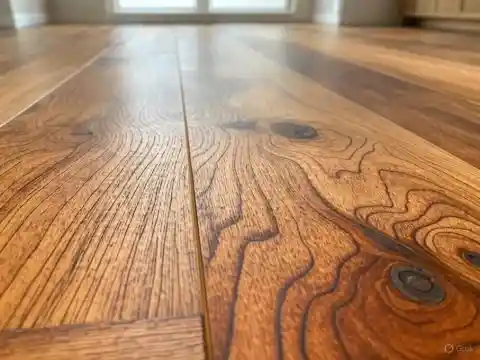
Hickory wood is renowned for its exceptional strength, durability, and distinctive grain pattern, making it a popular choice for furniture making. However, due to its increasing cost, limited availability in some regions, and challenging workability, many woodworkers and furniture makers seek hickory wood alternatives for furniture making projects.
This comprehensive guide explores viable substitutes that offer similar benefits while addressing the limitations of hickory.
Why Consider Hickory Wood Alternatives for Furniture?
Hickory has long been prized by furniture makers for its density, shock resistance, and bold grain, but those same qualities can work against it in the workshop. Its hardness dulls blades and bits quickly, makes hand-tool joinery slow going, and can lead to tear-out if grain direction is not respected. Hickory also tends to be pricier than many domestic hardwoods because it is harder to mill and dry without warping or checking, and supply can be inconsistent outside regions where it grows naturally.
For many projects, a substitute species can deliver comparable strength, similar visual warmth, or easier machining at a lower cost. The right alternative depends on the piece being built: a dining table benefits from stability and a refined grain, while a workbench or tool handle needs impact resistance above all else. Weighing hardness, grain character, finishing behavior, cost, and regional availability against the demands of a specific project makes it possible to choose a wood that performs as well as hickory, or better, for the task at hand.
Premium Hardwood Alternatives to Hickory
For furniture makers who are not constrained by budget and want a wood that rivals or complements hickory's presence, several premium hardwoods stand out. These species are generally chosen for fine furniture, cabinetry, and statement pieces where appearance, stability, and long-term durability matter as much as raw strength. Each offers its own balance of hardness, workability, and grain character, so the best choice depends on the finish and style being pursued.
Walnut
Walnut is one of the most sought-after cabinet woods thanks to its rich chocolate-brown heartwood and straight, even grain. It is moderately hard, which makes it far easier to machine, carve, and hand-plane than hickory while still holding up well to daily use in tables, chairs, and case pieces. Walnut also glues and finishes beautifully, taking oil finishes especially well to bring out its natural depth of color.
Its main drawback compared with hickory is impact resistance; walnut is not the wood to choose for tool handles or pieces that will absorb heavy shock. For furniture where appearance and workability matter more than raw toughness, however, walnut is often considered a superior choice, and its dimensional stability makes it reliable for larger panels and tabletops that need to stay flat over time.
White Oak
White oak is one of the closest matches to hickory in terms of strength and durability, with a tight, closed grain that resists moisture penetration better than most domestic hardwoods. This makes it a traditional choice for furniture that needs to withstand humidity swings, such as pieces built for kitchens, entryways, or coastal climates, as well as for outdoor-adjacent furniture.
Its prominent ray fleck and straight grain give it a classic, substantial look that works well in mission-style and traditional furniture. White oak is still a hard wood to work compared with softer species, but it responds well to sharp tools and steaming for bent components. Where hickory is chosen mainly for toughness rather than its exact appearance, white oak is often the most direct substitute available.
Hard Maple
Hard maple, sometimes called sugar maple, is among the densest and most abrasion-resistant domestic hardwoods, making it a natural stand-in for hickory in pieces that need to survive heavy daily use. Its pale, fine, and relatively uniform grain gives furniture a clean, contemporary look, and it is a standard choice for cutting boards, workbenches, butcher block tops, and chair parts subjected to repeated stress.
The tradeoff is workability: hard maple can be tough on tooling and prone to burning if machines are not kept sharp, and it does not always accept stain evenly without a pre-conditioning step. For furniture makers who want hickory-like hardness with a lighter, more uniform appearance, hard maple is usually the top candidate, particularly for pieces that will see frequent wear.
Ash
Ash is frequently mentioned alongside hickory because the two share a similar open, ring-porous grain structure and comparable shock resistance. Historically, ash has been used for tool handles, sporting goods, and bent-wood chair parts for exactly the same reasons hickory is prized, making it one of the most functionally similar substitutes available.
It is somewhat lighter in color and slightly easier to work than hickory, taking steam-bending well for curved components such as chair backs and rockers. Availability can vary by region and has been affected by disease pressure on ash trees in some areas, so sourcing should be checked locally, but where it can be found, ash offers one of the closest performance matches to hickory on this list.
Cherry
Cherry is valued in fine furniture for its warm reddish-brown tone that deepens and richens with age and light exposure, giving pieces a lived-in elegance that many woodworkers find more appealing over time than a static finish. It machines cleanly, sands to a smooth surface, and takes both oil and clear finishes exceptionally well.
Cherry is softer and less shock-resistant than hickory, so it is not the choice for tool handles or heavy-use surfaces, but for chairs, tables, dressers, and other refined furniture it offers an outstanding combination of workability and appearance. Its moderate hardness also makes it more forgiving for detailed carving and joinery than hickory.
Budget-Friendly Hickory Wood Alternatives for Furniture
Not every project calls for a premium hardwood, and several widely available species offer a practical, economical path for furniture makers who still want solid performance. These woods tend to be easier to source in volume and gentler on tooling, making them a sensible choice for painted furniture, shop projects, or pieces built on a tighter budget.
Poplar
Poplar is one of the most affordable domestic hardwoods and one of the easiest to work with hand or power tools, making it a favorite for furniture makers who want to move quickly through a build. Its color can vary from pale cream to streaks of green or gray, which is part of why it is most often painted rather than left with a clear finish.
Structurally, poplar is softer than hickory and not suited to parts that take heavy impact, but for frames, drawer boxes, painted cabinetry, and furniture components that will be hidden or coated, it offers excellent value and stability. It also glues well and holds screws and joinery securely for its weight class.
Red Oak
Red oak is one of the most widely stocked hardwoods at lumber suppliers, which keeps its price competitive and its availability consistent compared with hickory. It shares a bold, open grain that reads as traditional and substantial, making it a natural fit for furniture styles that already lean toward a heavier, rustic look.
Its more porous structure makes red oak less resistant to moisture and decay than white oak, so it is better suited to indoor furniture than pieces exposed to damp conditions. It still machines predictably, accepts stain well, and offers solid mechanical strength for tables, chairs, and case furniture at a lower cost than hickory.
Sassafras
Sassafras is a lighter-weight hardwood with a grain pattern similar to ash, and where it is locally available it is often inexpensive compared with shipped-in species. It has a history of regional use in furniture and turned items, valued for being easy to work with both hand and power tools.
It does not match hickory's hardness or shock resistance, so it is best suited to furniture that will not take heavy daily abuse, such as decorative pieces, small tables, and turned components. Because sassafras is less commonly stocked outside the regions where it grows, checking with local sawmills or specialty suppliers is usually necessary before planning a build around it.
Alternative Hardwoods with Special Characteristics
Some hickory substitutes are worth considering not because they are cheaper or more refined, but because they bring a particular property, such as rot resistance, close botanical similarity, or an unusual grain, that suits a specific type of project especially well.
Mahogany
Mahogany has a long history in fine furniture and instrument making thanks to its reddish-brown color, fine grain, and outstanding dimensional stability, which keeps large panels and tabletops flat even as humidity changes. It is a pleasure to hand-tool and finishes to a glass-smooth surface with minimal grain raising.
It is softer than hickory and not intended for parts that need to resist heavy impact, but for elegant case pieces, tables, and detailed joinery it is often considered one of the finest furniture woods available. Sourcing should favor suppliers who can confirm the species and its origin, since the name has historically been applied to a range of similar-looking timbers.
Pecan
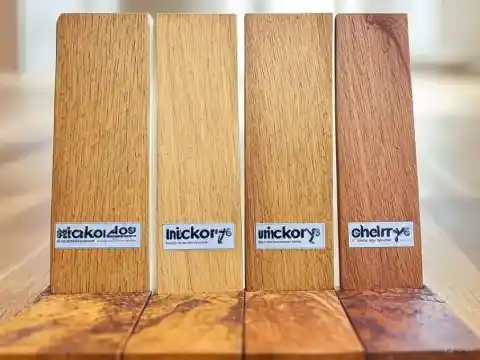
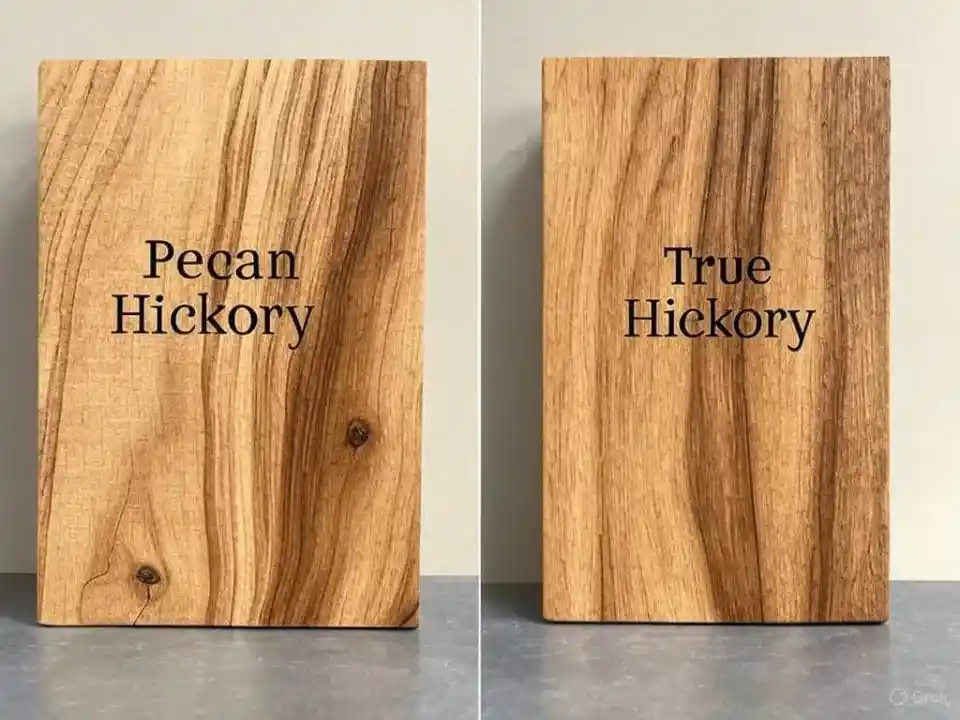
Pecan is a close botanical relative of hickory, part of the same genus, and shares much of its density, strength, and shock resistance. Because of this, it is sometimes sold and graded alongside hickory lumber, and it performs comparably in furniture applications that need toughness, including chairs, tool handles, and flooring-adjacent uses.
Its grain and color are similar enough to hickory that the two can be difficult to distinguish once finished, making pecan one of the most direct substitutes on this list for makers who want hickory's performance without necessarily sourcing hickory itself. Workability challenges are also similar, so sharp tools and patience are needed either way.
Black Locust
Black locust is exceptionally hard and among the most rot-resistant domestic hardwoods, historically used for fence posts and outdoor structures because it can withstand ground contact and weather for years without treatment. That same density gives it strong potential for furniture that will see hard use or outdoor exposure.
It is a demanding wood to machine, tends to dull blades quickly, and is less commonly available at general lumberyards, so sourcing usually means seeking out a specialty supplier. For outdoor furniture, benches, or pieces that need to resist decay without a heavy finish schedule, black locust offers durability that few other alternatives on this list can match.
Less Traditional Hickory Wood Alternatives for Furniture
For furniture makers open to softer or less conventional species, several woods that are not usually grouped with hickory can still fill in for lighter-duty projects, prototypes, or painted pieces where hickory's extreme hardness is not actually needed.
Alder
Alder is a soft, light-colored hardwood that is prized for how evenly it accepts stain, which has made it a popular substitute for pricier woods when a piece will be finished rather than left natural. It is easy to cut, shape, and sand, making it a good choice for furniture makers still building up their tool skills.
It lacks hickory's hardness and shock resistance, so it is not a fit for tool handles or heavy-use surfaces, but for cabinet doors, frames, and stained furniture components it offers a smooth, forgiving working experience and a pleasant, understated grain.
Birch
Birch offers a fine, uniform, pale grain and moderate hardness that sits between the softer utility woods and the toughest hardwoods, making it a versatile option for furniture and cabinetry. It is widely used in plywood as well as solid lumber form, and its consistent color allows it to be stained to imitate cherry, walnut, or other higher-cost species.
It machines cleanly and holds detail well in turned or carved parts, though it is not as impact-resistant as hickory. For furniture that benefits from a smooth, even surface and predictable behavior under a variety of finishes, birch is a dependable and generally affordable choice.
Pine (Select Grades)
Pine is a softwood rather than a hardwood, but select and clear grades, chosen for minimal knots and consistent grain, can still serve well in furniture that does not need hickory's strength, such as rustic tables, shelving, and painted case pieces. It is inexpensive, widely available, and easy to cut and join with basic tools.
Because it is considerably softer than hickory, pine dents and wears more easily and is not suited to structural components under heavy stress. When knots and softness are treated as part of the design rather than a flaw to hide, select-grade pine can produce charming, budget-friendly furniture with relatively little tooling effort.
Conclusion: Choosing the Right Hickory Wood Alternatives for Furniture
There is no single best substitute for hickory; the right choice depends on what a piece of furniture actually needs to do. For projects that demand hickory-level toughness and shock resistance, pecan, ash, and black locust come closest in raw performance. For furniture where refined appearance and easier workability matter more, walnut, cherry, and mahogany offer excellent results at a higher price point. Budget-conscious builds are well served by poplar, red oak, and pine, while alder and birch provide a smooth, paintable middle ground.
Before committing to a species, it helps to weigh hardness against how it will be worked, check local availability and pricing, and consider how each wood will look and perform over years of use. Testing a small offcut with the same tools and finishes planned for the final piece is a reliable way to confirm that a chosen alternative will meet the standard hickory is known for, without the drawbacks that sent the search for a substitute in the first place.
Be the first to comment.