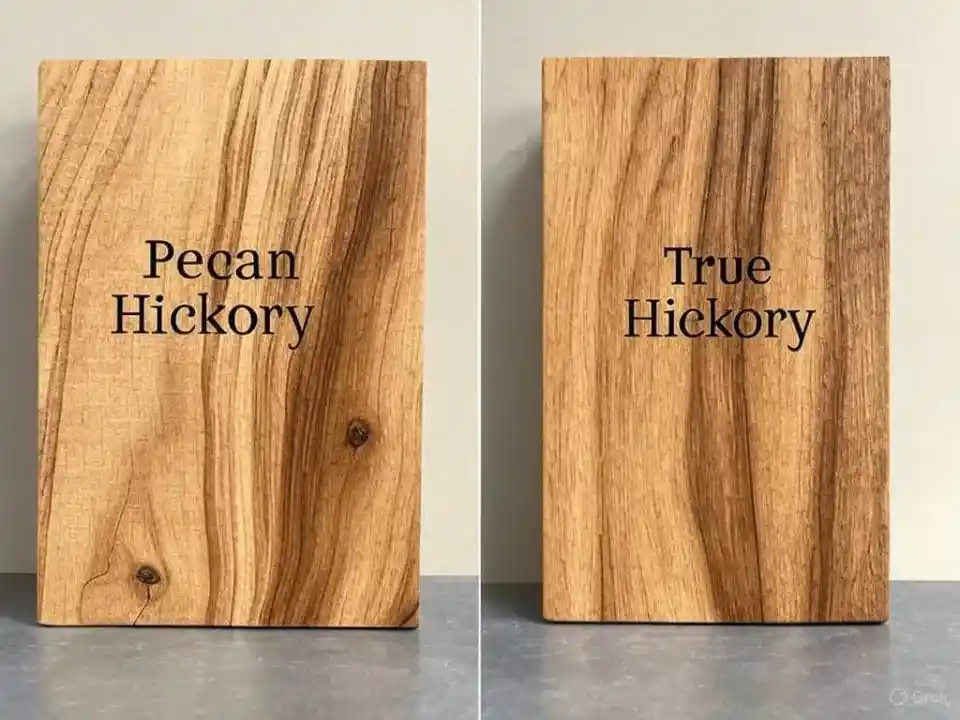
The cost of Hickory wood commands a premium in the lumber market due to its exceptional strength, durability, and distinctive grain patterns.
Current market data indicates that hickory typically ranges from $3 to $10 per board foot, though prices can vary significantly based on several key factors.
This guide provides a comprehensive breakdown of the cost of hickory wood to help you make informed purchasing decisions without unnecessary complexities.
Current Market Pricing
Hickory wood pricing follows a relatively consistent pattern across different markets, with notable variations based on quality, form, and location. The base pricing structure typically follows these general ranges:
Raw Lumber Pricing
Raw hickory lumber is typically sold by the board foot, and pricing within the broader market range depends heavily on the specific cut and grade purchased. Common grade lumber, which includes more visible knots, mineral streaks, and color variation between the pale sapwood and darker heartwood, sits toward the lower end of the pricing spectrum and suits projects where character marks are not a concern, such as rustic furniture or flooring. Select and better grades, which are more uniform in color and largely free of defects, command a noticeably higher price because mills must set aside more boards during grading to meet stricter appearance standards. Kiln-dried lumber typically costs more than green or air-dried stock because of the added processing time, energy, and equipment involved in bringing moisture content down to a stable level suitable for woodworking. Thickness also plays a role, with thicker stock generally priced at a premium over standard one-inch boards, since fewer usable boards can be cut from a single log. Buyers purchasing in bulk, such as full units of lumber, often receive a lower per-board-foot rate than those buying only a handful of boards for a small project.
Key Factors Affecting Cost of Hickory Wood
Several interconnected factors determine what buyers ultimately pay for hickory wood, and understanding them can help you evaluate whether a quoted price is reasonable for your project. Unlike more uniform, plantation-grown species, hickory's pricing is shaped by natural variability in the tree itself, the way the log is processed after harvest, and the distance the wood travels before it reaches a buyer. Grade and appearance requirements affect how much usable lumber a mill can produce from each log, while the method used to dry and mill the wood adds direct labor and equipment costs. Regional supply and demand, transportation distances, and the type of seller involved also shift prices up or down. The sections below break down each of these factors in more detail.
Quality and Grade Considerations
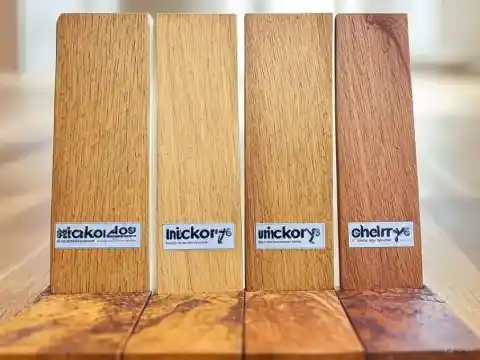
Grading standards established by hardwood lumber associations sort hickory boards into categories based on the size and number of clear, defect-free cuttings that can be obtained from each piece. Higher grades, which yield larger sections of clean, consistent-colored wood, require sawmills to be more selective, effectively reducing the volume of usable lumber from any given log and pushing the price upward. Lower grades still produce perfectly sound, structurally reliable lumber, but with more knots, sapwood streaks, and contrast between the pale sapwood and darker heartwood that hickory is known for. For furniture or flooring where a rustic, characterful look is desired, lower and mid-tier grades can actually be preferable and more economical. For fine furniture, cabinetry, or projects requiring long, clear boards, buyers should expect to pay a premium for the higher grades that meet those stricter appearance standards.
Processing Method Impact
How hickory lumber is processed after milling has a direct effect on its final price. Kiln drying, which uses controlled heat and airflow to reduce moisture content to levels suitable for indoor furniture and flooring, requires specialized equipment, energy, and time, all of which add cost compared to air-dried lumber. Air drying is slower and less expensive but leaves wood at a higher moisture content that is generally only appropriate for outdoor or rough construction use. Surfacing and milling services, such as planing rough lumber to a consistent thickness or milling it into tongue-and-groove flooring profiles, add further labor costs on top of the raw material price. Specialty cuts, such as quarter-sawn boards that expose a more decorative grain pattern and are more wasteful to produce, also carry higher prices than standard flat-sawn lumber. Buyers who are comfortable purchasing rough, unsurfaced lumber and finishing it themselves can typically save a meaningful amount compared to buying pre-surfaced, ready-to-use material.
Geographic Pricing Variations
Hickory grows across a broad range of the eastern and central regions, and pricing tends to be lowest closer to where the timber is harvested and milled, since transportation costs make up a larger share of the final price the farther lumber travels from its source. Buyers in areas with an active local sawmill industry or several competing lumber yards often find more competitive pricing than those in regions where hickory must be shipped in from elsewhere. Local availability also affects selection, since regions closer to hickory's natural range tend to stock a wider range of grades and cuts, while distant markets may carry a more limited selection at a higher markup. Import or long-haul freight charges, fuel surcharges, and regional demand from flooring or furniture manufacturers can all cause noticeable price differences for what is otherwise the same grade and cut of lumber.
Hickory Products Pricing
The form in which hickory wood is purchased has a significant impact on overall cost, since each additional stage of processing and manufacturing adds labor, materials, and finishing expenses on top of the raw lumber price. Raw, rough-sawn lumber sits at the more affordable end of the spectrum, while finished products such as flooring, cabinetry, and furniture layer on milling, sanding, joinery, and finishing costs that raise the final price considerably. Understanding how these costs stack up across different product categories can help buyers decide whether it makes more sense to purchase raw material and finish it themselves or to buy a completed product.
Finished Product Pricing
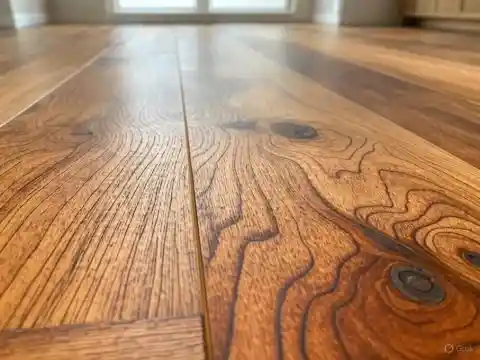
Hickory flooring generally costs more per square foot than raw lumber priced per board foot, since manufacturing flooring involves precise milling into tongue-and-groove profiles, sanding, and often factory-applied finishes. Within flooring, options range from more budget-friendly engineered products with a hickory veneer layer to premium solid hickory planks, with the latter commanding a higher price due to the greater volume of solid wood used. Hickory furniture spans an even wider price range, from modest, mass-produced pieces built with a mix of hickory and other materials to premium, handcrafted solid hickory furniture where labor and design add substantially to the cost. Cabinetry made from hickory tends to sit in the mid-to-premium range, reflecting the detailed joinery, door and drawer construction, and finishing work involved. In general, the more processing, customization, and craftsmanship a hickory product involves, the further its price climbs above the cost of the raw lumber used to make it.
Commercial Applications
Beyond residential furniture and flooring, hickory is also used in commercial and industrial applications where its exceptional strength and shock resistance are valued, including tool handles, sporting goods, and certain structural or specialty uses. Pricing for these applications is typically driven by the specific grade and dimensions required rather than appearance, since visual defects matter less when the wood is hidden or subject to heavy wear. Bulk commercial buyers, such as manufacturers purchasing large volumes for tool handle or flooring production, often negotiate favorable per-unit pricing compared to retail buyers purchasing smaller quantities. Specialty uses that require particularly dense, straight-grained hickory, such as striking tool handles that must absorb repeated impact, can command a premium over standard grades because only a portion of harvested logs meet those stricter mechanical requirements.
Purchasing Strategies
Because hickory pricing can vary considerably between sellers, regions, and even seasons, taking a strategic approach to purchasing can help buyers secure better value without compromising on quality. Two of the most influential factors within a buyer's control are the type of source chosen for the purchase and the timing of that purchase relative to demand cycles and seasonal wood movement. The following sections outline practical approaches for handling both.
Source Selection Matters
Where you purchase hickory wood can meaningfully affect the price you pay for a comparable grade and cut. Large home improvement retailers typically carry a limited selection of hickory products at convenience pricing, reflecting the overhead of retail operations and pre-packaged small quantities. Specialty hardwood dealers and local sawmills often offer more competitive pricing and a broader range of grades, particularly for buyers purchasing larger quantities or willing to select boards in person. Buying directly from a sawmill, where available, can reduce costs further by cutting out intermediary markups, though it may require more effort to sort through grades and less consistency in available stock. Online hardwood suppliers can offer competitive pricing and wider selection but typically add shipping costs that should be factored into any comparison, especially for a heavy hardwood like hickory.
Timing Considerations
Lumber pricing can fluctuate with broader market conditions, seasonal demand, and even regional weather patterns that affect logging and milling schedules. Demand for hardwood flooring and furniture materials often rises during peak home renovation seasons, which can push prices upward, while purchasing during slower periods may yield more favorable pricing or promotional offers from suppliers looking to move inventory. Buying lumber further in advance of a project, when supply is more readily available, can also provide more selection and negotiating room than purchasing under time pressure. Keeping an eye on regional sawmill activity and checking with multiple suppliers over time can help buyers identify favorable windows for purchasing, particularly for larger projects where even modest per-board-foot savings add up significantly across a full material order.
Conclusion
The cost of hickory wood reflects the interplay of grade, processing method, geographic location, product form, and market timing, making it difficult to point to a single price that applies to every buyer or project. Rather than focusing on a single number, it is more useful to understand where a given quote falls within the broader range of options, from economical common-grade rough lumber to premium, finished furniture-grade material. Buyers who take the time to compare grades, consider processing needs, evaluate different sourcing options, and pay attention to timing are generally best positioned to find hickory wood that fits both their budget and the requirements of their project. With its exceptional strength, durability, and distinctive appearance, hickory remains a worthwhile investment for those willing to shop thoughtfully.
Be the first to comment.