
Hickory wood furniture, known for its exceptional strength, durability, and distinctive grain patterns, can last for generations when properly maintained.
Understanding the right care techniques can enhance your hickory pieces' lifespan and beauty.
The following comprehensive guide provides practical tips and maintenance strategies that will help preserve your hickory furniture's natural elegance and structural integrity.
Understanding Hickory Wood Properties
Hickory is one of the most robust wood types available for furniture, making it an excellent investment for long-term use. It stands as the densest commercial wood in the United States, weighing approximately 50 pounds per cubic foot when dry—significantly heavier than most other hickory wood furniture.
The remarkable strength and hardness of hickory contribute to its longevity, but these same qualities also necessitate specific care approaches to maintain its appearance and structural integrity over time.
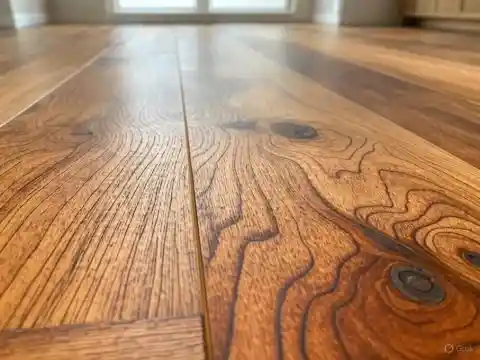
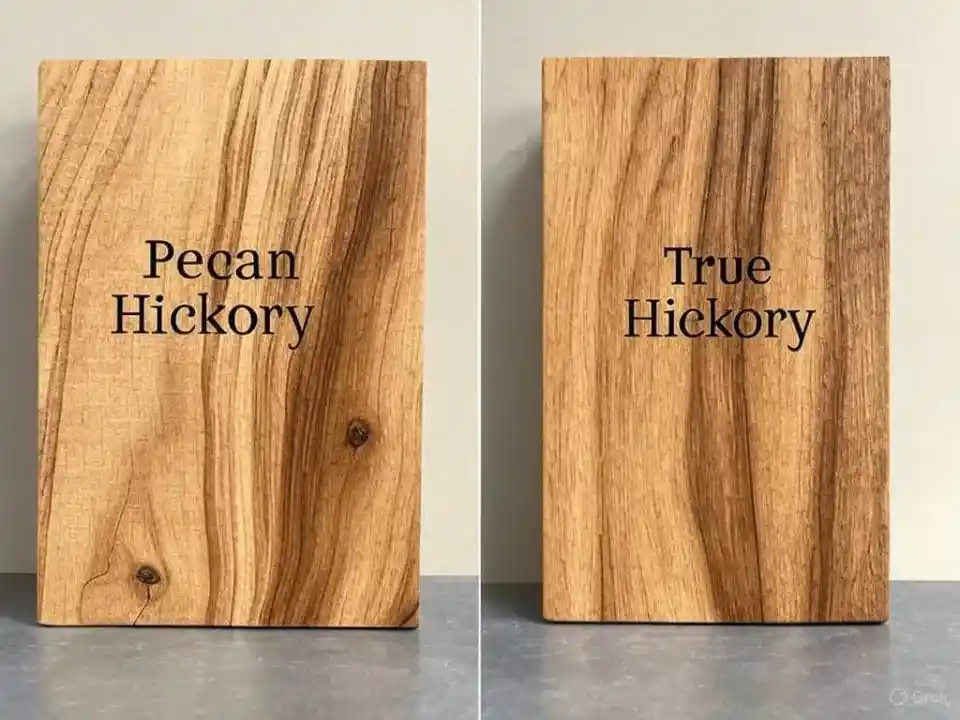
The natural characteristics of hickory wood include distinctive, irregular grain patterns that range from wavy to swirled, creating unique visual interest in each piece.
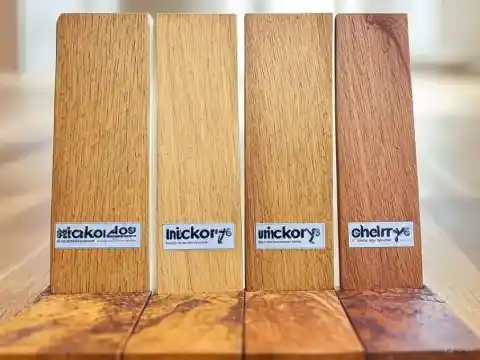
Hickory wood furniture typically displays warm tones varying from light to medium brown, often featuring darker streaks that add depth and character.
These natural variations make each hickory piece one-of-a-kind, worthy of preservative care to maintain its distinctive beauty.
Hickory's natural resistance to moisture and insect infestation gives it an advantage over other wood types for furniture applications.
However, despite this innate resistance, proper maintenance remains essential to preserve its condition and prevent potential damage that could compromise its structural integrity or appearance over time.
Characteristics of Hickory Wood
Hickory's grain runs mostly straight but can also appear wavy or irregular, giving each board and each finished piece of furniture a slightly different visual character even within the same production run. The wood's coloration ranges from a pale, almost white sapwood to a warmer light-to-medium brown heartwood, and many pieces display both tones along with occasional darker mineral streaks, creating natural contrast that many owners consider part of the wood's appeal. Because hickory is exceptionally dense and hard compared to most domestic hardwoods, furniture made from it tends to resist dents and general wear better than furniture made from softer woods, though this same hardness means the wood is less forgiving to work with during repairs. Hickory also has a tendency to expand and contract more noticeably with changes in humidity than some other hardwoods, which is one of the main reasons moisture management is such an important part of long-term care, a topic covered in more detail in the sections that follow.
Regular Cleaning and Dusting Practices
Routine cleaning is one of the simplest and most effective ways to protect hickory furniture, since dust and grime that build up on the surface can gradually dull the finish and, over time, create fine surface scratches as particles are dragged across the wood during use. Because hickory furniture is often used for everyday pieces such as dining tables, chairs, and cabinets, it tends to see more frequent contact and wear than purely decorative pieces, making a consistent cleaning routine especially important. Establishing simple habits around dusting and occasional deeper cleaning helps preserve both the appearance and the protective finish layer that shields the wood underneath from moisture and everyday contact.
Effective Cleaning Methods
Dusting hickory furniture regularly with a soft, dry microfiber cloth is the foundation of good maintenance, since microfiber traps dust particles rather than pushing them across the surface the way a dry rag or feather duster can. For deeper cleaning, a slightly damp cloth wrung out thoroughly can be used to wipe away fingerprints, food residue, or general grime, followed immediately by drying the surface with a clean, dry cloth to prevent any moisture from sitting on the wood. Harsh household cleaners, ammonia-based products, and abrasive scrubbing pads should be avoided, as they can strip away the protective finish or leave the wood surface dull and streaky. A cleaner formulated specifically for wood furniture, used sparingly and according to its instructions, is generally a safer choice than all-purpose household cleaners. Always wipe in the direction of the grain rather than against it, and avoid saturating the wood with liquid at any point in the cleaning process, since standing moisture is one of the more common causes of long-term damage to wood furniture.
Managing Moisture and Humidity
Although hickory has a natural resistance to moisture compared to some other hardwoods, prolonged or repeated exposure to excess humidity, standing liquid, or rapid swings in indoor climate can still cause problems ranging from surface warping to cracking of the finish. Because hickory tends to expand and contract more noticeably with humidity changes than many other domestic hardwoods, keeping moisture levels stable around furniture is one of the most important aspects of long-term care. Understanding how humidity affects the wood, and taking a few consistent precautions, can prevent many of the most common issues owners encounter over the life of a piece.
Moisture Control Strategies
Maintaining relatively stable indoor humidity, ideally within a moderate range appropriate for wood furniture, helps minimize the expansion and contraction that can eventually loosen joints or cause surface checking. Using a humidifier during dry winter months and a dehumidifier during particularly humid seasons can help keep conditions steadier throughout the year, especially in climates with significant seasonal swings. Furniture should be kept away from direct sources of moisture such as open windows during rain, areas near sinks or bathrooms, and spaces with poor ventilation where condensation can accumulate. Spills should be wiped up promptly rather than left to sit, and coasters, placemats, or trivets should be used under drinks and hot dishes to prevent moisture and heat rings from marking the surface. Placing furniture on a stable, dry floor rather than directly on damp concrete or in a consistently humid room, such as an unfinished basement, also helps protect the wood from prolonged moisture exposure from below.
Protecting the Surface Finish
The finish applied to hickory furniture, whether an oil, wax, lacquer, or polyurethane topcoat, serves as the primary barrier between the wood and everyday hazards like moisture, sunlight, and physical contact. Once a finish becomes worn, scratched, or dull, the underlying wood loses much of that protection and becomes more vulnerable to staining, discoloration, and moisture absorption, so maintaining the finish itself is a central part of caring for hickory furniture over time. Simple daily habits combined with periodic maintenance can keep the finish performing its protective role for many years before more involved refinishing becomes necessary.
Finish Protection Tips
Keeping hickory furniture out of direct, prolonged sunlight helps prevent the finish from fading unevenly and slows the natural darkening or lightening that ultraviolet exposure can cause over time. Using curtains, blinds, or thoughtful furniture placement to limit direct sun exposure, particularly during the brightest hours of the day, can meaningfully extend the life of the finish. Applying a quality furniture polish or wax periodically, following the product's recommended frequency, helps replenish protective oils and maintain the finish's sheen, though over-application can lead to a buildup that attracts dust. Felt pads or protective liners under decorative objects, table lamps, and other items prevent small scratches and pressure marks from accumulating on tabletops and other surfaces over time. When the finish shows early signs of wear, such as dullness or minor scuffing, addressing it promptly with an appropriate polish or touch-up product is generally easier and less costly than waiting until a full refinish is needed.
Preventing Physical Damage
Despite hickory's exceptional hardness and resistance to denting compared to softer woods, furniture made from it can still suffer scratches, dents, and structural stress from everyday use, particularly at joints, edges, and corners that see the most contact and movement. Taking a few precautions around how furniture is used, moved, and arranged in a room can prevent much of this damage before it happens and help the piece retain its structural integrity over years of regular use.
Damage Prevention Strategies
When moving hickory furniture, it should always be lifted rather than dragged across the floor, since dragging puts uneven stress on legs and joints and can also scratch both the furniture and the flooring beneath it. Furniture pads or felt gliders placed under legs help distribute weight evenly and prevent both scratching of floors and undue stress on joints when pieces are shifted slightly during normal use. Placing furniture away from high-traffic pathways, and away from areas where children or pets frequently play, reduces the chances of accidental bumps, scratches, or spills. Tablecloths, placemats, or protective pads can shield tabletops from scratches caused by plates, utensils, and decorative objects during daily use. Periodically checking joints, screws, and any hardware for looseness allows small issues to be addressed before they develop into more serious structural problems, helping the piece remain sturdy and stable for years of continued use.
Seasonal Maintenance Schedule
Because indoor humidity and temperature naturally shift with the seasons, adopting a seasonal approach to hickory furniture care helps address the specific challenges each time of year presents, from dry winter air to humid summer conditions. Building a few simple seasonal checks into an existing household routine makes it easier to catch small issues before they become larger problems and keeps the maintenance workload manageable rather than concentrated into a single overwhelming task.
Seasonal Care Checklist
During colder months, when indoor heating tends to dry out the air, checking furniture for any signs of cracking or joint loosening and considering a humidifier can help offset the drop in humidity. In spring, a more thorough cleaning and inspection of the finish is a good opportunity to address any wear accumulated over winter and apply polish or wax as needed. Summer months often bring higher humidity, so monitoring for excess moisture, ensuring good ventilation around furniture, and promptly addressing any spills becomes especially important. In autumn, before heating systems are used heavily again, another inspection of joints, hardware, and the finish helps ensure furniture is well prepared for the drier conditions ahead. Following this kind of seasonal rhythm, rather than only addressing problems as they appear, helps hickory furniture stay structurally sound and visually appealing across changing conditions year after year.
Conclusion
Maintaining hickory wood furniture does not require complicated routines, but it does call for consistency across a few key areas: regular gentle cleaning, careful management of humidity and moisture, protection of the surface finish, precautions against physical damage, and attention to how care needs shift with the seasons. Because hickory is naturally strong, dense, and resistant to many forms of wear, furniture made from it rewards even modest, consistent care with an especially long service life. By following the practices outlined in this guide, owners can help their hickory furniture retain its structural integrity and distinctive natural beauty for many years, allowing these pieces to be enjoyed and, in many cases, passed down for generations to come.
Be the first to comment.